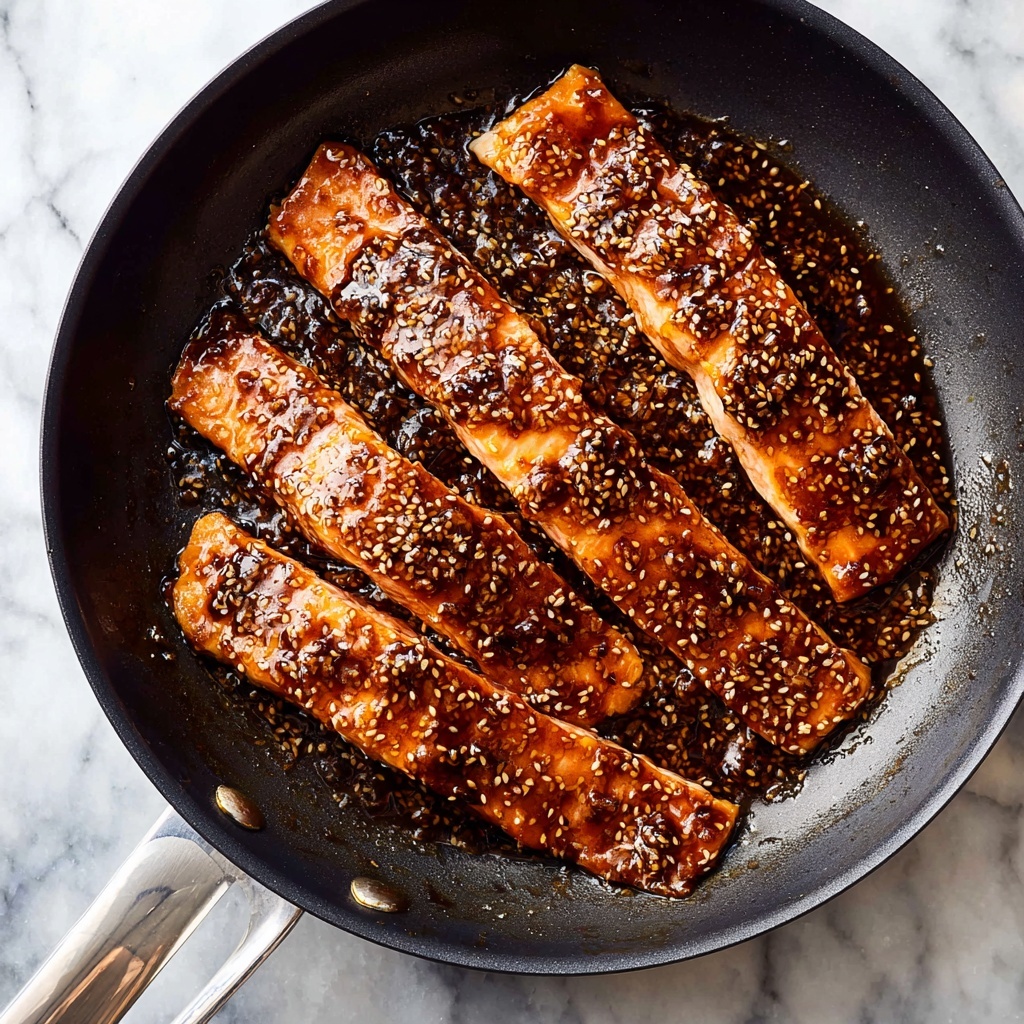
There is something truly magical about the perfect balance of sweet and savory in the Teriyaki Salmon Recipe. Imagine tender, flaky salmon fillets glazed in a glossy, homemade teriyaki sauce that’s bursting with aromatic garlic, fresh ginger, and toasted sesame seeds. This dish is not only a feast for the palate but also a celebration of vibrant colors and enticing textures. Whether you’re looking for a quick weeknight dinner or a stunning centerpiece for a cozy gathering, this Teriyaki Salmon Recipe will quickly become one of your favorites to whip up with ease and love.
Ingredients You’ll Need
Getting the right ingredients for this Teriyaki Salmon Recipe is simpler than you might think, but each one plays a crucial role in building those rich, layered flavors and that irresistible glaze.
- 2 tablespoons sesame oil, divided: Adds a nutty aroma and helps perfectly sear the salmon for a crisp edge.
- 2 cloves garlic, grated: Infuses the sauce with a subtle yet sharp warmth that complements the fish beautifully.
- 1/2 inch fresh ginger, grated: Brings a fresh, zesty brightness that balances the sweetness of the teriyaki.
- 1/4 cup soy sauce: Provides the essential salty umami foundation for the sauce.
- 2 tablespoons mirin: Adds a lightly sweet and tangy depth traditionally found in authentic teriyaki.
- 2 tablespoons brown sugar: Sweetens and thickens the glaze, creating that luscious coating on the salmon.
- 1 tablespoon cornstarch: Helps thicken the sauce for a glossy finish that clings perfectly.
- 2 tablespoons warm water: Used to dissolve cornstarch evenly without clumping.
- 3 tablespoons sesame seeds: Brings texture and that irresistible crunch along with a toasted flavor boost.
- 1 pound fresh salmon fillets (cut into 4 fillets): The star of the dish, providing rich, buttery flesh that soaks up the sauce.
- 1/2 teaspoon sea salt: Enhances the natural flavor of the salmon without overpowering the glaze.
- 1/4 teaspoon black pepper: Adds a gentle kick that rounds out the flavor profile.
How to Make Teriyaki Salmon Recipe
Step 1: Infuse the Oil with Garlic and Ginger
Start by heating one tablespoon of sesame oil over medium heat in a saucepan. Once the oil is hot and shimmering, add the freshly grated garlic and ginger. Let them cook gently for about two minutes, stirring constantly. This step releases those wonderful fragrant oils and builds the foundational flavors for your teriyaki sauce.
Step 2: Create the Sweet and Savory Base
It’s time to add your soy sauce, mirin, and brown sugar to the pan. Turn the heat up slightly to medium-high and let the mixture simmer for about two minutes. Stir frequently so the sugar dissolves evenly and the flavors meld, giving you that beautiful balance of salty sweetness that teriyaki is known for.
Step 3: Thicken the Sauce to Perfection
In a small bowl, whisk together the cornstarch and warm water until fully combined to make a slurry. Slowly pour this into your simmering sauce while whisking continuously. Keep whisking for about 30 seconds until the sauce thickens visibly into a glossy, syrupy glaze. This thickened sauce will cling beautifully to the salmon when you brush it on later.
Step 4: Add Toasted Sesame Seeds
Remove the saucepan from the heat and stir in the sesame seeds. These add not just flavor but also a delightful crunch and a toasty aroma, lifting the sauce to a new level of deliciousness. Set the sauce aside while you prepare the salmon.
Step 5: Prepare the Salmon
Pat your salmon fillets dry using paper towels. This step is key for achieving a nice sear. Then sprinkle them evenly with sea salt and black pepper to enhance their natural flavor. Dry, seasoned fish will give you that delectable crispy exterior that contrasts perfectly with a tender interior.
Step 6: Sear the Salmon
Heat the remaining tablespoon of sesame oil in a large skillet over medium heat. Place the salmon fillets skin side up first and cook for about two minutes until they start to develop a golden sear. Flip the fillets skin side down and cook for six more minutes. This cooking method results in beautifully caramelized salmon with moist flesh.
Step 7: Glaze and Finish Cooking
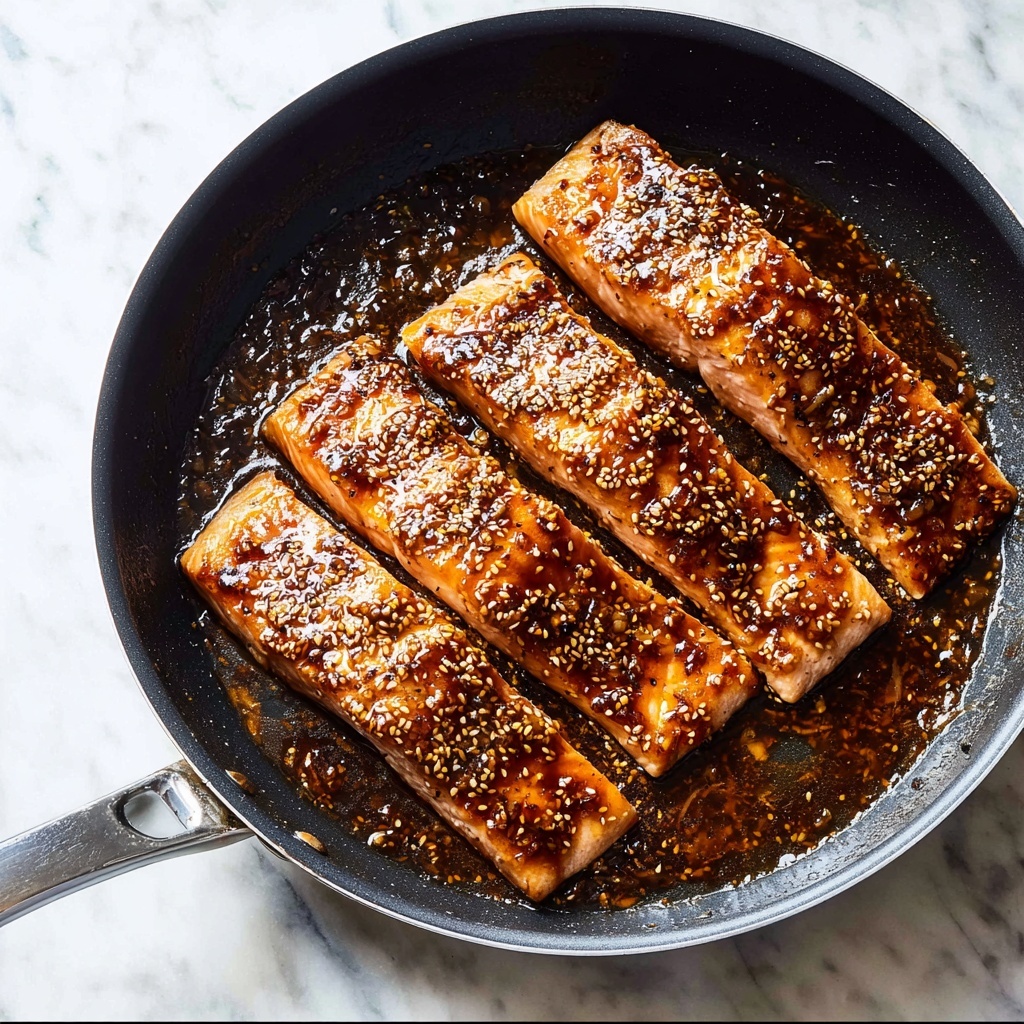
Brush the teriyaki sauce generously onto each salmon fillet while they continue to cook for another one to two minutes. This final glaze step not only intensifies the flavor but also gives the fish that addictive shine and stickiness. Your salmon is done when it flakes easily with a fork and reaches an internal temperature of 145 degrees Fahrenheit.
How to Serve Teriyaki Salmon Recipe
Garnishes
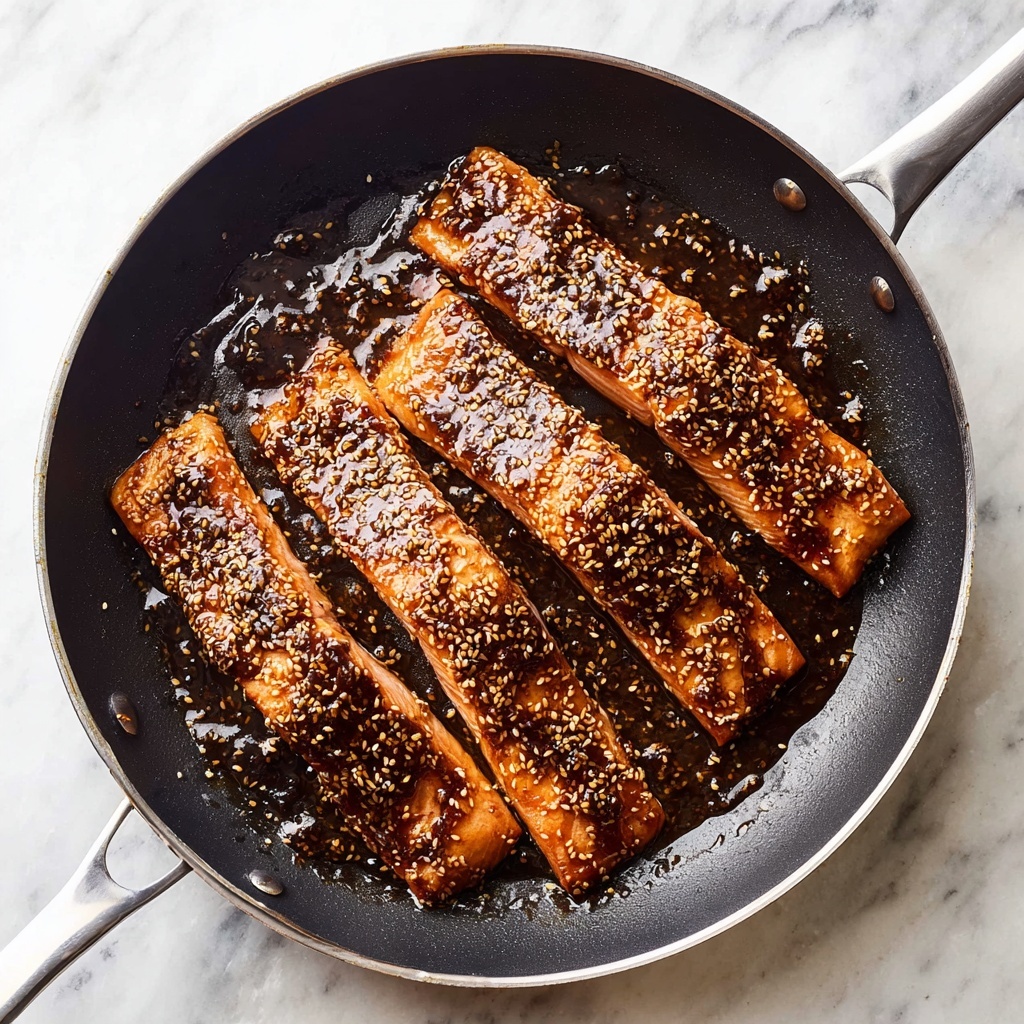
A sprinkle of finely chopped green onions or extra toasted sesame seeds goes a long way in making your Teriyaki Salmon Recipe truly pop on the plate. The fresh green adds color and a mild bite, while sesame seeds boost the nuttiness and texture that tie everything together.
Side Dishes
This salmon shines brightest paired with simple sides like steamed jasmine rice or fluffy quinoa that soak up all the extra teriyaki sauce. Lightly sautéed veggies, such as snap peas or bok choy, complement the dish with fresh crunch and vibrant greens, balancing out the rich sauce and fish.
Creative Ways to Present
Think beyond the plate and serve your Teriyaki Salmon Recipe atop a bed of mixed greens or chopped cucumbers for a refreshing poke-inspired bowl. Or twist it for a fun taco night by flaking the salmon and topping with avocado, pickled radish, and a drizzle of spicy mayo in soft tortillas.
Make Ahead and Storage
Storing Leftovers
Place any leftover teriyaki salmon fillets in an airtight container and refrigerate promptly. They’re best enjoyed within two days to maintain the salmon’s freshness and prevent the sauce from losing its vibrant flavor.
Freezing
If you want to save salmon for longer, wrap each fillet tightly in plastic wrap and then foil, or use a freezer-safe airtight container. Frozen teriyaki salmon will keep well for up to one month. Thaw in the fridge overnight before reheating.
Reheating
The best way to revive your teriyaki salmon is to warm it gently on the stovetop in a lightly oiled skillet over low heat, covered. This method helps maintain moisture and preserves the glaze’s integrity without drying out the fish. Avoid the microwave if possible, as it can make the salmon tough.
FAQs
Can I use frozen salmon fillets for this recipe?
Absolutely! Just be sure to thaw the salmon completely and pat it dry before seasoning to get that perfect sear and avoid excess moisture in the pan.
Is there a substitute for mirin in the Teriyaki Salmon Recipe?
If you don’t have mirin on hand, dry sherry or a mix of rice vinegar and sugar can work well to mimic its sweet and tangy flavor.
Can I make the teriyaki sauce ahead of time?
Yes, you can prepare the teriyaki sauce a day in advance and store it in the fridge. Just reheat it gently before brushing it onto the salmon.
What type of salmon is best for this recipe?
Wild-caught or farmed Atlantic salmon fillets work beautifully here, but whichever you choose, look for fresh, thick pieces for the best texture and flavor.
How do I know when the salmon is cooked perfectly?
Look for salmon that flakes easily with a fork but still feels moist inside. Using an instant-read thermometer, 145 degrees Fahrenheit is the safe and ideal internal temperature.
Final Thoughts
Making this Teriyaki Salmon Recipe at home is such a rewarding experience—each step fills your kitchen with incredible aromas and anticipation. It’s a dish that’s as comforting as it is impressive, perfect for sharing with loved ones or savoring on a quiet night in. I can’t wait for you to try it and make it your own go-to salmon dinner!
Print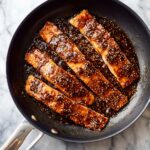
Teriyaki Salmon Recipe
- Prep Time: 10 minutes
- Cook Time: 15 minutes
- Total Time: 25 minutes
- Yield: 4 servings
- Category: Main Course
- Method: Stovetop
- Cuisine: Japanese
- Diet: Low Fat
Description
This Teriyaki Salmon recipe features tender salmon fillets cooked to perfection and coated with a rich, homemade teriyaki sauce made from soy sauce, mirin, ginger, garlic, and sesame seeds. Ready in just 25 minutes, it’s a quick and flavorful dish perfect for weeknight dinners or special occasions.
Ingredients
Teriyaki Sauce
- 2 tablespoons sesame oil, divided
- 2 cloves garlic, grated
- 1/2 inch fresh ginger, grated
- 1/4 cup soy sauce
- 2 tablespoons mirin
- 2 tablespoons brown sugar
- 1 tablespoon corn starch
- 2 tablespoons warm water
- 3 tablespoons sesame seeds
Salmon
- 1 pound fresh salmon fillets (cut into 4 fillets)
- 1/2 teaspoon sea salt
- 1/4 teaspoon black pepper
Instructions
- Prepare the aromatics and sauce base: Heat one tablespoon of sesame oil over medium heat in a saucepan. Once hot, add the grated garlic and ginger and cook for 2 minutes, stirring constantly to release their flavors.
- Add sauce ingredients: Pour in the soy sauce, mirin, and brown sugar. Increase the heat to medium-high and let the mixture simmer gently for 2 minutes while stirring often to combine and dissolve the sugar.
- Thicken the sauce: In a small bowl, whisk together the cornstarch and warm water to make a slurry. Add this to the saucepan, whisking continuously for about 30 seconds until the sauce thickens to a glossy consistency.
- Finish the sauce: Remove the pan from heat, stir in the sesame seeds, and mix well. Set the teriyaki sauce aside.
- Prepare the salmon: Pat the salmon fillets dry with paper towels and season them evenly with sea salt and black pepper on both sides.
- Cook the salmon: Heat the remaining tablespoon of sesame oil in a large skillet over medium heat. Place the salmon skin side up and cook for 2 minutes, then flip so it is skin side down and cook for an additional 6 minutes.
- Glaze and finish cooking: Brush the teriyaki sauce onto the salmon fillets. Continue cooking for about 1 minute or until the salmon easily flakes apart with a fork and reaches an internal temperature of 145°F, ensuring it is perfectly cooked and flavorful.
Notes
- Use fresh salmon fillets for the best flavor and texture.
- Adjust the amount of brown sugar according to your preferred sweetness level.
- Be careful not to overcook the salmon to keep it moist and tender.
- Serve with steamed rice and vegetables for a complete meal.
- You can substitute tamari for soy sauce for a gluten-free version.