“`html
If you’ve ever dreamed of making pizza at home with that perfect balance of chewy, airy, and crisp crust, then you’re in the right place. This Rustic Italian Pizza Dough Recipe brings the authentic charm of a pizzeria straight to your kitchen, using simple, wholesome ingredients that come together to create a dough with incredible flavor and texture. Whether you’re a kitchen novice or a seasoned cook, this recipe will show you how to achieve a rustic, handmade pizza base that’s versatile and utterly delicious every single time.
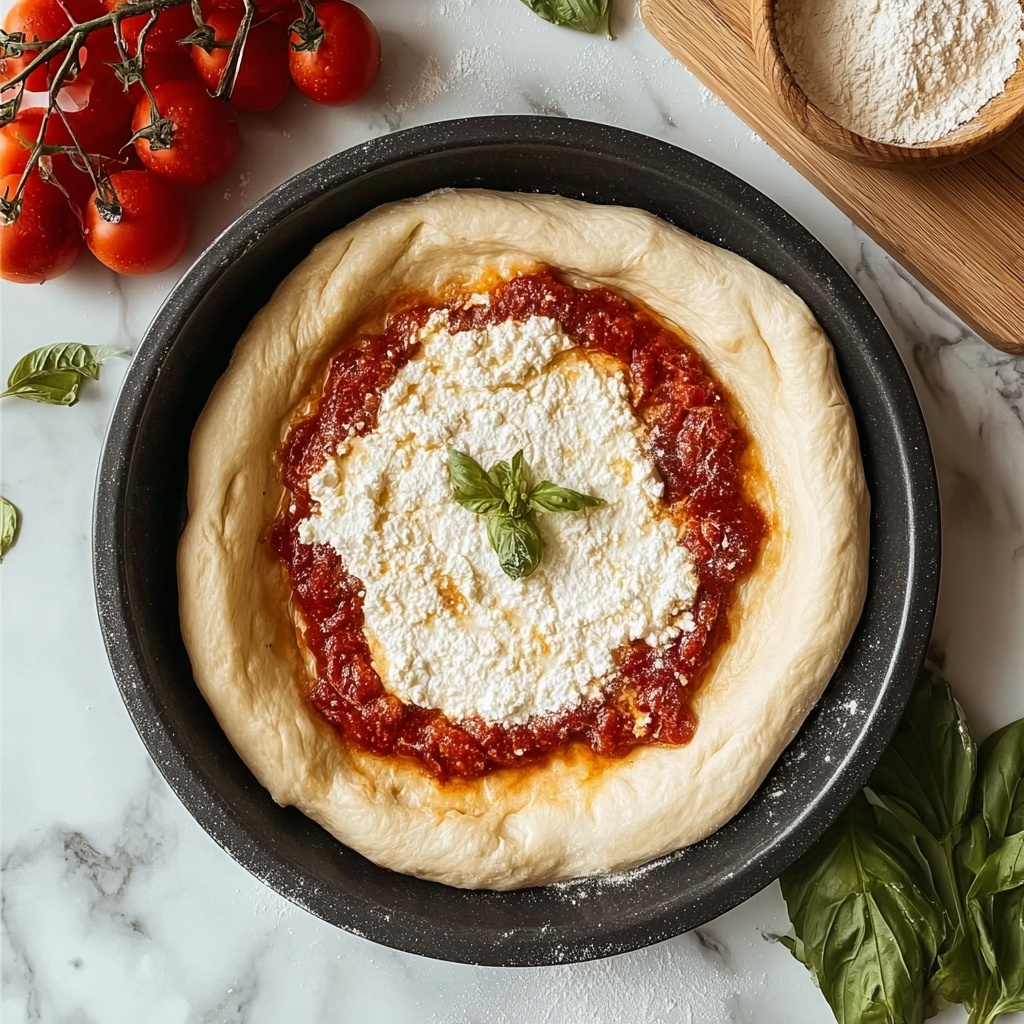
Ingredients You’ll Need
Getting started with this Rustic Italian Pizza Dough Recipe is a breeze because the ingredients are straightforward yet thoughtfully chosen. Each one plays a vital role in crafting dough that’s perfectly tender, slightly chewy, and beautifully golden.
- 4 cups all-purpose flour: The backbone of your dough, providing structure and that irresistible chewiness.
- 1 ½ cups warm water (about 110°F): Necessary to activate the yeast and bring the dough together smoothly.
- 1 pack (2 ¼ teaspoons) active dry yeast: The magic agent that helps the dough rise and develop airy texture.
- 1 tablespoon olive oil: Adds tenderness and richness, plus a subtle fruity aroma.
- 1 teaspoon salt: Enhances flavor and balances the sweetness in the dough.
- 1 teaspoon sugar: Feeds the yeast for a lively rise and contributes a hint of sweetness.
How to Make Rustic Italian Pizza Dough Recipe
Step 1: Activate the Yeast
Start by dissolving the sugar in the warm water. This bit of warmth and sweetness wakes up the active dry yeast, allowing it to fizz and foam into life. Letting it sit for 5 to 10 minutes ensures your dough will rise beautifully later on.
Step 2: Combine Dry Ingredients
While the yeast activates, mix your flour and salt in a large bowl. Making a well in the center creates the perfect spot to pour in your yeast mixture and olive oil, setting the stage for blending all those flavors together.
Step 3: Form the Dough
Begin stirring everything slowly, encouraging the flour to soak up that liquid mixture. Soon enough, the dough will come together — shaggy, but promising — signaling it’s time to get hands-on.
Step 4: Knead for Texture
Turn the dough out onto a floured surface and knead it with love for about 10 minutes. This is where the dough develops strength and elasticity, transforming into a smooth, springy ball that’s a joy to work with.
Step 5: First Rise in Olive Oil
Take a large bowl lightly greased with olive oil and nestle your dough inside, turning it over once so every part gets a gentle coating. Cover with a damp cloth or plastic wrap and let it rest in a warm spot until doubled in size, typically around 1 to 2 hours. This rise is key to your Rustic Italian Pizza Dough Recipe’s tender crumb.
Step 6: Punch Down and Portion
Once your dough has risen and puffed up, gently punch it down to release the air. Divide it into two large or four smaller portions, ready for shaping. This bit of portioning gives you flexibility depending on the size of pizzas you want to make.
Step 7: Rest Again
Roll each portion into a neat ball, cover them, and allow them to rest for 20 more minutes. This short rest relaxes the gluten, making the dough easier to roll out without springing back.
Step 8: Preheat the Oven
Crank your oven up to 475°F (245°C). High heat is essential for that irresistible crisp on the crust while keeping the inside soft and airy—it’s the hallmark of great pizza baking.
Step 9: Shape and Bake
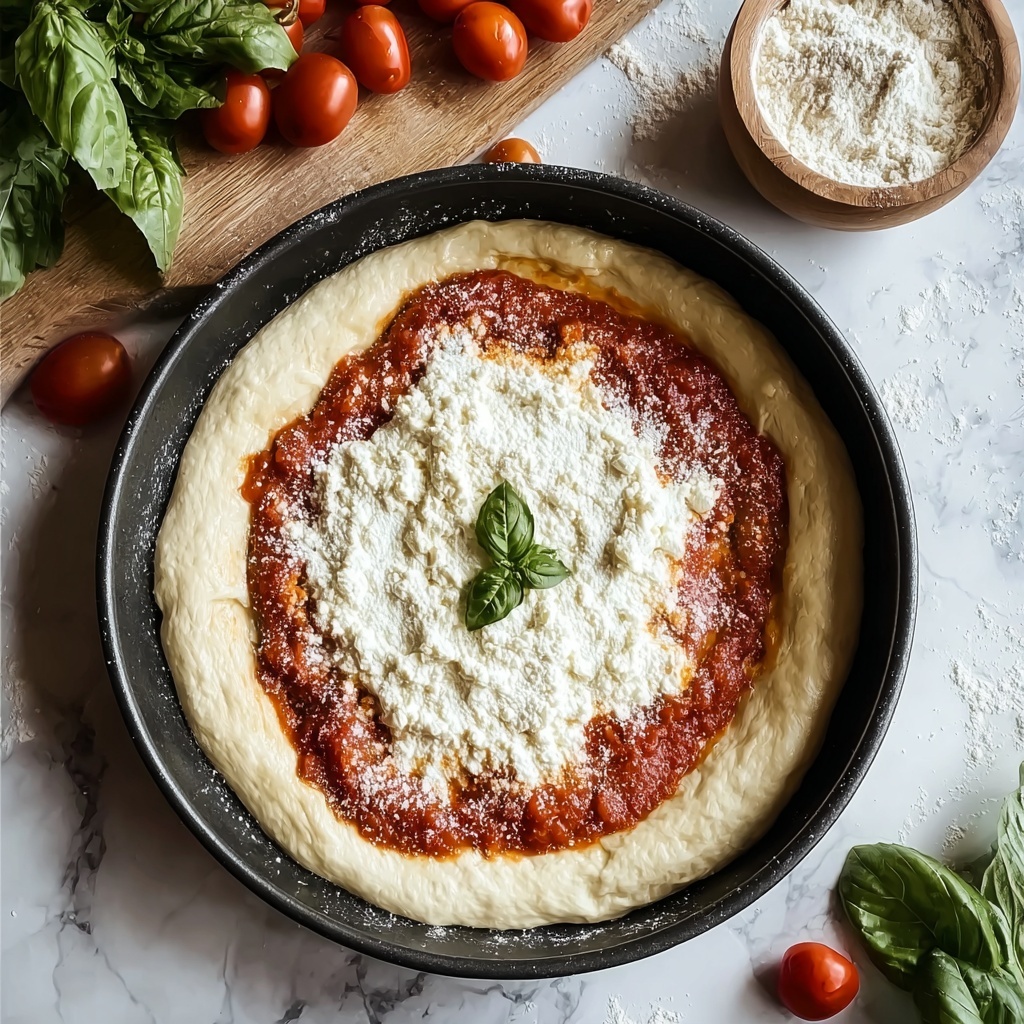
On a floured surface, roll out each dough ball to your preferred thickness. Transfer carefully to a floured pizza peel or baking sheet dusted with flour or cornmeal to prevent sticking. Top with your favorite sauces, cheeses, and toppings, then bake for 10-12 minutes until the crust is golden and your cheese bubbles with delight.
How to Serve Rustic Italian Pizza Dough Recipe
Garnishes
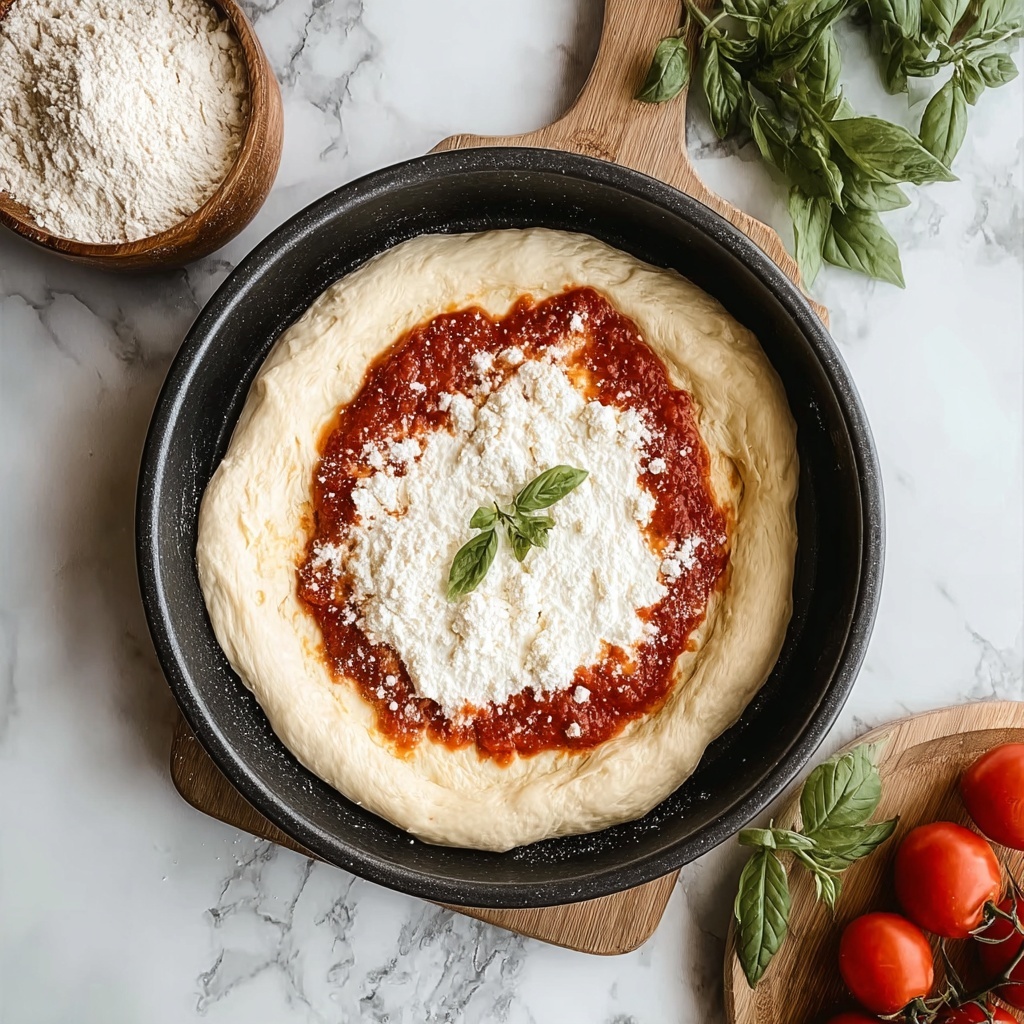
The beauty of a Rustic Italian Pizza Dough Recipe is how well it pairs with fresh garnishes. Try finishing your pizza with a handful of fresh basil leaves, a drizzle of extra virgin olive oil, or some shaved Parmesan cheese for bursts of flavor that elevate every bite.
Side Dishes
Keep your meal balanced yet exciting by pairing your pizza with vibrant sides like a crisp Caesar salad, roasted garlic mushrooms, or even a zesty Caprese salad—each bringing complementary textures and tastes to your rustic meal.
Creative Ways to Present
Think outside the box by serving pizza as a flatbread appetizer sliced into small squares, or enjoy it family-style straight from the oven on a rustic wooden board. It’s also delightful to offer assorted dipping sauces—garlic butter, spicy marinara, or creamy pesto—to add some fun and flair.
Make Ahead and Storage
Storing Leftovers
If you have leftover pizza dough or made more than you need, store it tightly wrapped in plastic wrap or in an airtight container in the refrigerator for up to 3 days. This keeps it fresh and ready for your next pizza night.
Freezing
Freeze any extra dough balls individually by wrapping them in plastic wrap and placing them in a freezer bag. Frozen dough will keep well for up to 3 months. Just thaw it overnight in the fridge before use for best results.
Reheating
For baked pizza leftovers, reheat in a hot oven or a cast-iron skillet on the stove to restore crispness to the crust while warming toppings evenly. This prevents the sogginess that microwaves sometimes create.
FAQs
Can I use whole wheat flour instead of all-purpose flour?
Absolutely! Whole wheat flour adds a lovely nutty flavor and extra fiber, though it may yield a slightly denser dough. Try substituting half and half for a great balance of texture and flavor.
What if my dough isn’t rising?
If the dough hasn’t doubled after 2 hours, check the yeast freshness and water temperature. Yeast thrives in warmth, so placing the bowl in a slightly warmer spot or even briefly inside a turned-off oven with a bowl of warm water can help encourage rising.
Is olive oil necessary in this recipe?
Olive oil is key for tenderizing the dough and adding a subtle richness. Skipping it might result in a less tender crust, so it’s definitely recommended for the best rustic result.
Can I prepare the dough the night before?
Yes! After the first rise, you can punch down the dough, cover it tightly, and refrigerate overnight. Bring it back to room temperature before shaping for the best texture.
How thin should I roll out the dough?
That depends on how you like your pizza! For a classic rustic pizza, roll to about ¼ inch thick to achieve a chewy yet crisp crust. If you prefer a thinner base, gently roll it out further but be careful not to tear the dough.
Final Thoughts
There’s something truly special about rolling up your sleeves and crafting pizza dough by hand, especially when you know the result will be bursting with flavor and rustic charm. The Rustic Italian Pizza Dough Recipe is your ticket to creating memorable homemade pizzas that everyone will love. So why wait? Gather your ingredients, get that dough rising, and enjoy the warm satisfaction of pizza made with your own two hands. I can’t wait for you to try it and feel that proud, happy glow that comes with your very own perfect pizza crust.
“`
Print
Rustic Italian Pizza Dough Recipe
- Prep Time: 0h 20m
- Cook Time: 0h 12m
- Total Time: 1h 32m
- Yield: 2 large pizzas or 4 small pizzas
- Category: Baking
- Method: Baking
- Cuisine: Italian
- Diet: Vegetarian
Description
This Rustic Italian Pizza Dough recipe provides a traditional and simple base for homemade pizzas, delivering a perfectly chewy and flavorful crust ready to be topped with your favorite ingredients. With just a few basic pantry staples and straightforward steps, you can create authentic Italian-style pizza dough at home.
Ingredients
Dry Ingredients
- 4 cups all-purpose flour, plus more for dusting
- 1 teaspoon salt
- 1 teaspoon sugar
- 1 pack (2 ¼ teaspoons) active dry yeast
Wet Ingredients
- 1 ½ cups warm water (about 110°F)
- 1 tablespoon olive oil, plus more for greasing
Instructions
- Activate the yeast: In a small bowl, dissolve the sugar in the warm water. Sprinkle the yeast over the water and let it sit until frothy, about 5-10 minutes.
- Combine dry ingredients: In a large mixing bowl, combine the flour and salt. Make a well in the center and add the yeast mixture along with the olive oil.
- Form the dough: Stir the ingredients together until they form a dough.
- Knead the dough: Transfer the dough to a lightly floured surface and knead for about 10 minutes, until smooth and elastic.
- First rise: Grease a large bowl with olive oil and place the dough inside, turning it over once to coat it lightly with oil.
- Proof the dough: Cover the bowl with a damp cloth or plastic wrap and let the dough rise in a warm area until doubled in size, about 1-2 hours.
- Divide the dough: Punch the dough down and divide it into two equal pieces for two large pizzas or four smaller ones.
- Rest the dough balls: Roll each piece of dough into a ball, cover again, and let rest for another 20 minutes.
- Preheat oven: Preheat your oven to 475°F (245°C).
- Roll out the dough: Roll out the dough to your desired thickness on a floured surface and transfer to a pizza peel or baking sheet dusted with flour or cornmeal.
- Add toppings: Top with your favorite sauce and toppings.
- Bake the pizza: Bake in the preheated oven for 10-12 minutes, or until the crust is golden and the cheese bubbly.
Notes
- Make sure the water is warm but not hot to avoid killing the yeast.
- Kneading is important for gluten development to get a chewy crust.
- Allowing the dough to rise in a warm, draft-free area will help it double properly.
- For a crispier crust, use a pizza stone preheated in the oven.
- Flour or cornmeal dusting prevents the dough from sticking when transferring to the oven.