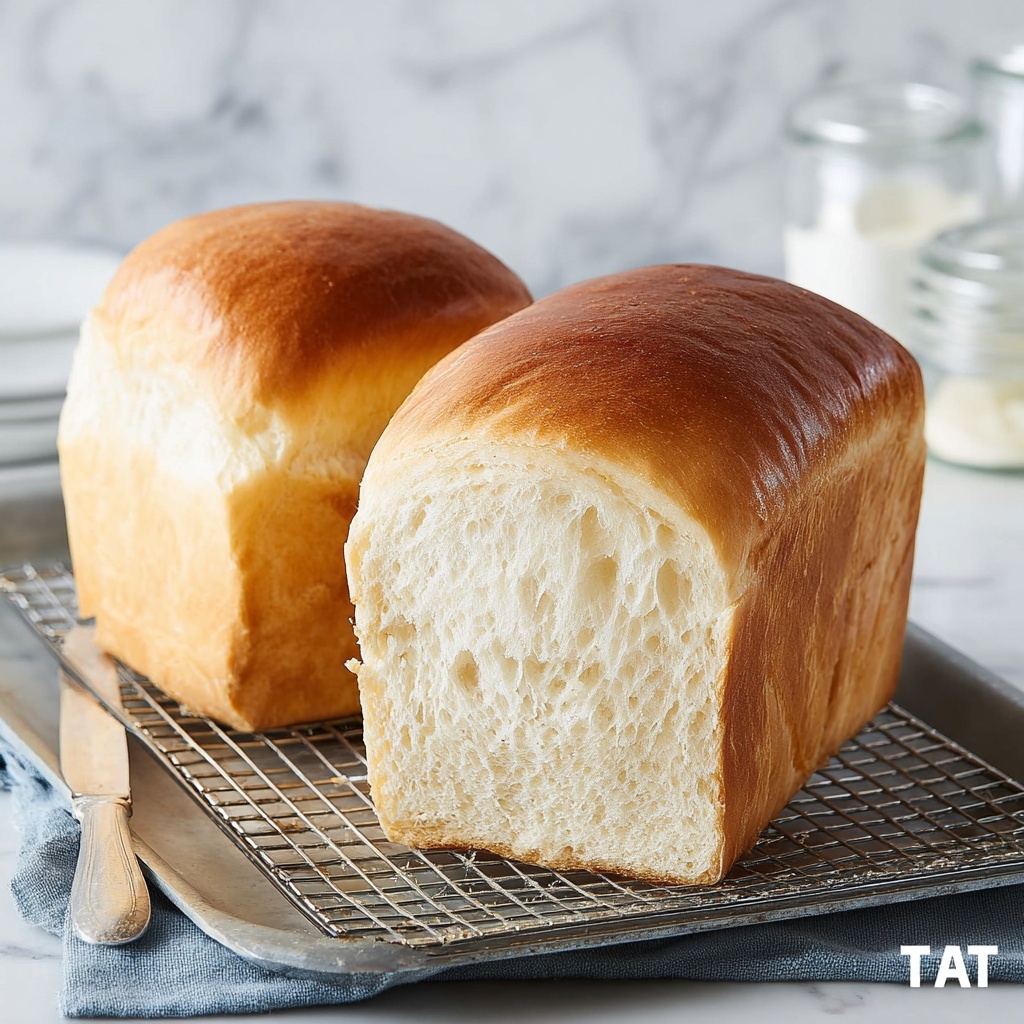
There is something truly magical about homemade bread, and this Milk Bread Recipe captures that magic perfectly. With its irresistibly soft texture, subtly sweet flavor, and tender crumb, this bread feels like a warm hug from the inside. Whether you’re new to baking or a seasoned pro, you’ll find this recipe wonderfully approachable yet deeply satisfying. The gentle sweetness and pillowy softness make it perfect for everything from breakfast toast to elegant sandwiches, and it’s sure to become a staple in your kitchen.
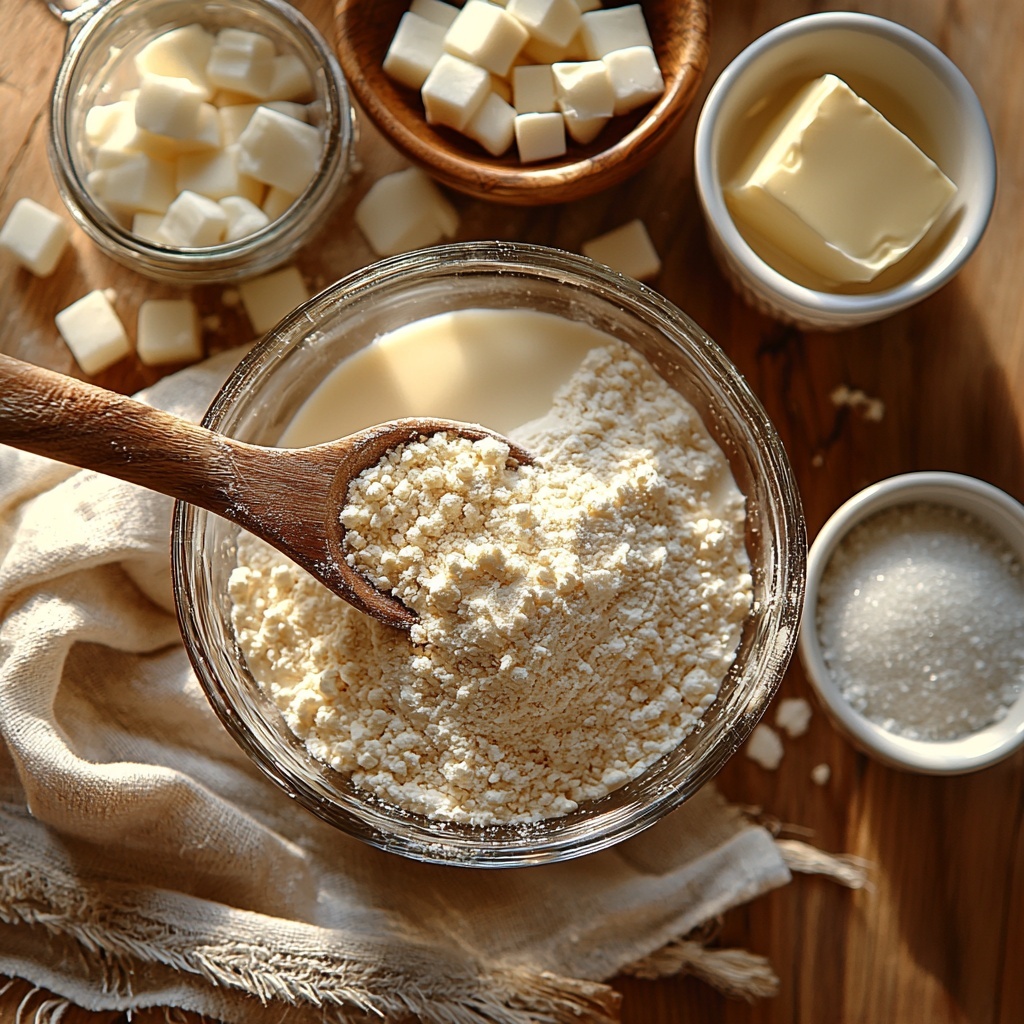
Ingredients You’ll Need
Gathering your ingredients is the first fun step, and this Milk Bread Recipe uses simple, everyday staples that come together to create something extraordinary. Each ingredient plays a crucial role, whether it’s the richness of butter or the slight tang of yeast activating for that perfect rise.
- All-purpose flour (4 cups / 500g): The foundation of your bread, providing structure and softness.
- Whole milk (1 cup / 240ml): Adds moisture and richness, contributing to the tender crumb.
- Sugar (1/4 cup / 50g): Just enough sweetness to balance and enhance the flavor while helping the yeast to bloom.
- Active dry yeast (2 1/4 tsp / 7g): The life of the bread that provides the rise and airy texture.
- Salt (1 tsp / 6g): Essential for flavor balance and controlling yeast activity.
- Unsalted butter, melted (1/4 cup / 60g): Adds beautiful richness and a tender crumb.
How to Make Milk Bread Recipe
Step 1: Activate the Yeast
Start by warming the milk gently—not too hot or it’ll kill the yeast! Stir in the sugar, then sprinkle the yeast on top. Let it sit for about five minutes until it becomes frothy and bubbly, signaling that your yeast is alive and ready to work its magic on the dough.
Step 2: Mix the Dry Ingredients
While the yeast blooms, whisk together the flour and salt in a separate large mixing bowl. Creating a little well in the center prepares you for the upcoming wet ingredients, making the mixing process smooth and efficient.
Step 3: Combine and Knead the Dough
Pour the yeast mixture and melted butter into the flour well. Start mixing until a shaggy dough forms, then transfer it to a floured surface. Knead for about ten minutes until the dough turns silky smooth and elastic—this is key to developing that soft, airy texture.
Step 4: First Rise
Place your dough in a greased bowl, cover it to keep in moisture, and pop it somewhere warm. This rise takes about an hour, during which the dough will double in size—a clear sign that the yeast is working hard to create those wonderful air pockets.
Step 5: Shape the Loaf
After punching down the dough to release excess gas, flatten it gently and then roll it tightly into a loaf shape. This technique ensures a fine crumb and keeps your bread beautifully uniform once baked.
Step 6: Second Rise
Set your loaf in a greased pan, cover again, and let it rise nearly doubled for about another hour. This step guarantees that light, fluffy texture that makes this Milk Bread Recipe such a joy to bite into.
Step 7: Bake to Perfection
Preheat your oven to 350°F (175°C). Bake the loaf for 30 to 35 minutes until the crust turns a gorgeous golden brown and the kitchen fills with that irresistible fresh-baked aroma. Once out of the oven, let it cool slightly so every slice pulls apart beautifully without squishing the soft crumb.
How to Serve Milk Bread Recipe
Garnishes
This bread shines on its own, but a light spread of butter, a drizzle of honey, or a sprinkle of powdered sugar can elevate it even further. For a savory twist, try a touch of garlic butter or herb-infused olive oil—it’s a simple way to add a burst of flavor that complements the bread’s subtle sweetness.
Side Dishes
Milk bread pairs wonderfully with soups, stews, and hearty salads. Its tender crumb soaks up brothy delights perfectly, making it a top choice for dipping. Add it alongside creamy tomato soup or a bowl of miso—the soft bread balances and enhances every bite.
Creative Ways to Present
Get creative by turning this Milk Bread Recipe into fresh sandwiches, French toast, or even mini bread puddings. Slice it thick for a comforting grilled cheese or use star-shaped cookie cutters on slices for playful kids’ snacks. No matter how you present it, this bread’s light texture and mild flavor make it incredibly versatile.
Make Ahead and Storage
Storing Leftovers
Wrap leftover bread tightly in plastic wrap or store it in an airtight container to keep it soft and moist for up to three days. Avoid leaving it exposed to air, as this will quickly dry out the delicate crumb.
Freezing
Milk bread freezes beautifully. Slice it first for easy thawing and toast whenever you want. Wrap your slices or full loaf well in plastic wrap and foil to protect against freezer burn, and use within two months for best quality.
Reheating
To revive your bread’s fresh-baked softness, warm slices gently in a toaster or wrapped in foil in a 300°F (150°C) oven for 5-10 minutes. This method reawakens the bread’s tender crumb while keeping the crust delightfully soft.
FAQs
Can I use milk alternatives in this Milk Bread Recipe?
Yes, you can substitute whole milk with almond milk, oat milk, or other plant-based milks. Keep in mind that the flavor and texture might vary slightly, but the bread will still turn out soft and delicious.
What if I don’t have active dry yeast?
You can use instant yeast as a substitute in the same amount. Just mix it directly with the flour instead of activating it in the milk. The bread will rise just as beautifully.
How do I know when the dough has been kneaded enough?
The dough should feel smooth and elastic, and when you gently poke it, the indentation slowly bounces back. This means gluten has developed well, which is key for soft, fluffy bread.
Can I make this recipe with whole wheat flour?
Yes, but whole wheat flour will produce a denser loaf and a slightly nuttier flavor. For a lighter texture, consider substituting half the flour with whole wheat.
Why does my Milk Bread crust sometimes turn out too hard?
Overbaking or baking at too high a temperature can harden the crust. Try baking at the recommended 350°F and check the bread a few minutes before the suggested time to avoid a tough crust. Also, brushing the crust with melted butter after baking can soften it.
Final Thoughts
This Milk Bread Recipe is truly a treasure to have in your baking repertoire. The process is straightforward, the ingredients are simple, and the result is pure comfort on a plate. Whether you enjoy it fresh from the oven or use it as a base for your favorite toppings, this bread will bring warmth and joy to your table. Give it a try, and you might just find it becoming your go-to homemade treat for years to come.
Print
Milk Bread Recipe
- Prep Time: 20 minutes
- Cook Time: 30-35 minutes
- Total Time: 1 hour 55 minutes
- Yield: 12 servings (one loaf)
- Category: Bread
- Method: Baking
- Cuisine: American
Description
This Milk Bread recipe yields a soft, tender, and subtly sweet loaf perfect for sandwiches or enjoying on its own. Made with simple ingredients like milk, sugar, yeast, and butter, this bread features a fluffy crumb and golden crust, achieved through a two-step rising process and oven baking.
Ingredients
Main Ingredients
- 4 cups all-purpose flour (500g)
- 1 cup whole milk (240ml)
- 1/4 cup sugar (50g)
- 2 1/4 tsp active dry yeast (7g)
- 1 tsp salt (6g)
- 1/4 cup unsalted butter, melted (60g)
Instructions
- Activate Yeast: In a bowl, combine warm milk and sugar. Sprinkle yeast over the top and let it sit for about 5 minutes until frothy, signaling the yeast is active.
- Combine Dry Ingredients: In a separate mixing bowl, whisk together flour and salt. Create a well in the center and add the frothy yeast mixture along with the melted butter.
- Mix and Knead Dough: Mix the ingredients until you form a shaggy dough. Transfer to a floured surface and knead for about 10 minutes until the dough is smooth and elastic, which develops gluten for structure.
- First Rise: Place the dough in a greased bowl, cover it with a cloth or plastic wrap, and let it rise in a warm spot until doubled in size, about 1 hour, which allows fermentation and volume increase.
- Shape the Loaf: Punch down the risen dough to release gases, then flatten and roll it tightly into a loaf shape for a uniform crumb.
- Second Rise: Place the shaped loaf in a greased loaf pan, cover it again, and let it rise until nearly doubled, about another hour for an airy texture.
- Bake: Preheat the oven to 350°F (175°C). Bake the loaf for 30-35 minutes until golden brown on top, indicating it’s fully cooked with a soft crumb and crisp crust.
Notes
- Use warm milk (not hot) to activate yeast properly without killing it.
- Kneading develops gluten, which is essential for bread structure; avoid under-kneading.
- Ensure the dough is covered during rising to prevent drying out.
- Check bread doneness by tapping the bottom—it should sound hollow.
- Allow the bread to cool completely before slicing to maintain its texture.