If you’ve ever dreamed of pulling a pizzeria-worthy pie right out of your own oven, this Classic Pizza Dough Recipe is going to be your new best friend in the kitchen. It’s the perfect starting point for everything from a simple margherita to a loaded supreme, capturing that glorious chewy crust with a golden, crisp exterior that’s utterly irresistible. Easy to make yet remarkably versatile, this dough delivers the foundational texture and flavor every great pizza deserves. Trust me, once you try this Classic Pizza Dough Recipe, you’ll want to make pizza night a regular celebration in your home.
Ingredients You’ll Need
With just a handful of simple pantry staples, you can create dough that tastes like it took hours to perfect. Each ingredient plays a vital role in building the dough’s character—from the flour that forms its structure, to the yeast that brings the magical rise and airy texture, to the olive oil that adds richness and a subtle depth of flavor.
- All-purpose flour: The backbone of your dough, providing strength and chewiness — use good quality for the best results.
- Active dry yeast: This little powerhouse creates the bubbles that make your dough rise beautifully and develop complex flavor.
- Granulated sugar: Feeds the yeast and gives a hint of sweetness that balances the savory elements.
- Warm water: Activates the yeast perfectly; not too hot to kill it, not too cold to delay rising.
- Olive oil: Adds tenderness to the dough and helps it brown deliciously in the oven.
- Salt: Amplifies flavor and strengthens gluten structure for that ideal chewy bite.
How to Make Classic Pizza Dough Recipe
Step 1: Activate Your Yeast
Start by combining warm water, granulated sugar, and active dry yeast in a mixing bowl. Stir gently and let the mixture sit for 5 to 10 minutes until it becomes frothy and bubbly. This is your sign that the yeast is alive, kicking, and ready to work its magic.
Step 2: Prepare Your Dry Ingredients
In a separate large bowl, sift together all-purpose flour and salt. Sifting aerates the flour, making it easier to mix and contributing to a lighter dough texture. Getting this step right gives your dough a smooth, even crumb.
Step 3: Combine Wet and Dry
Create a well in the center of your flour mixture, then pour in the yeast mixture and olive oil. This keeps everything neat and makes mixing easier. Slowly bring the ingredients together using a spoon until a rough dough starts to form.
Step 4: Knead to Perfection
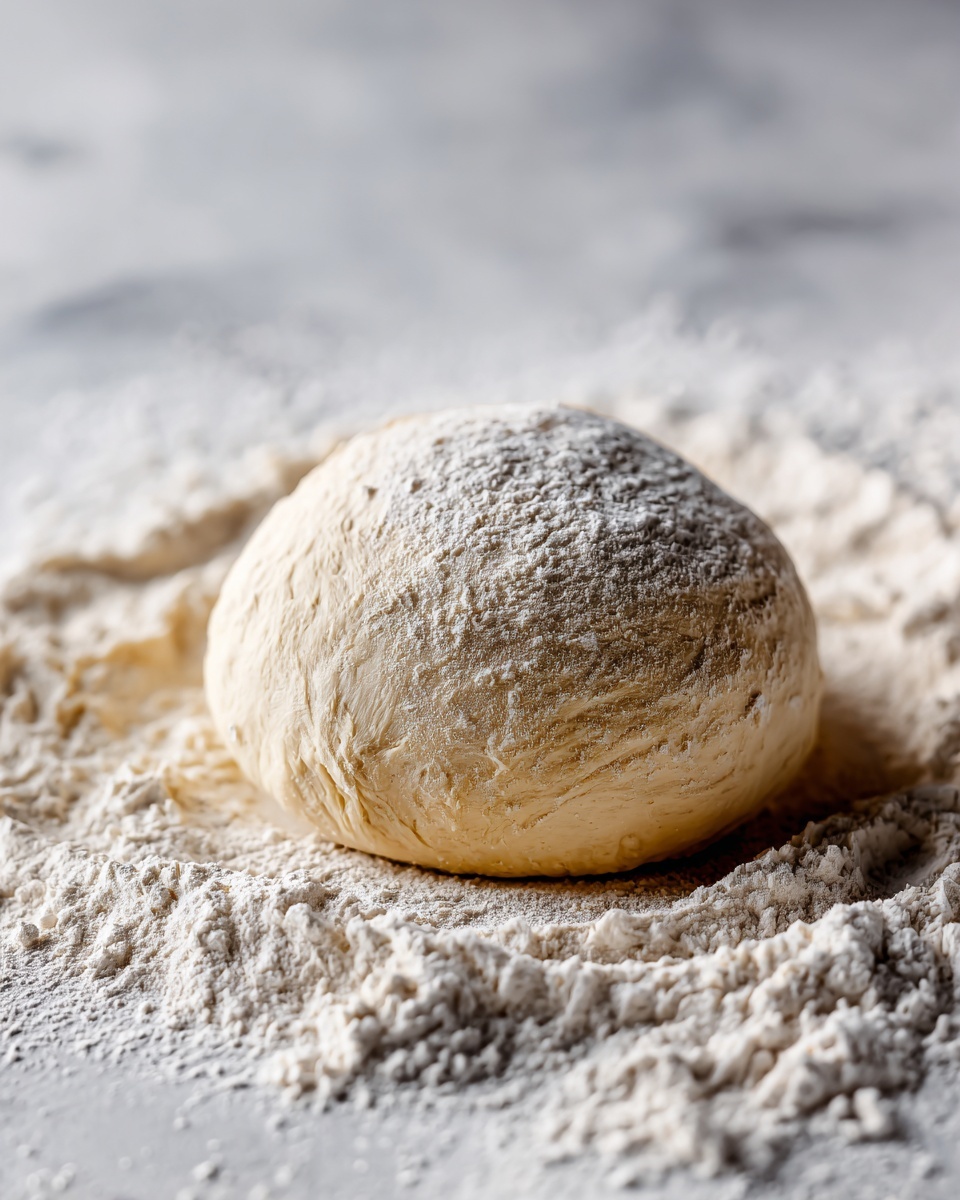
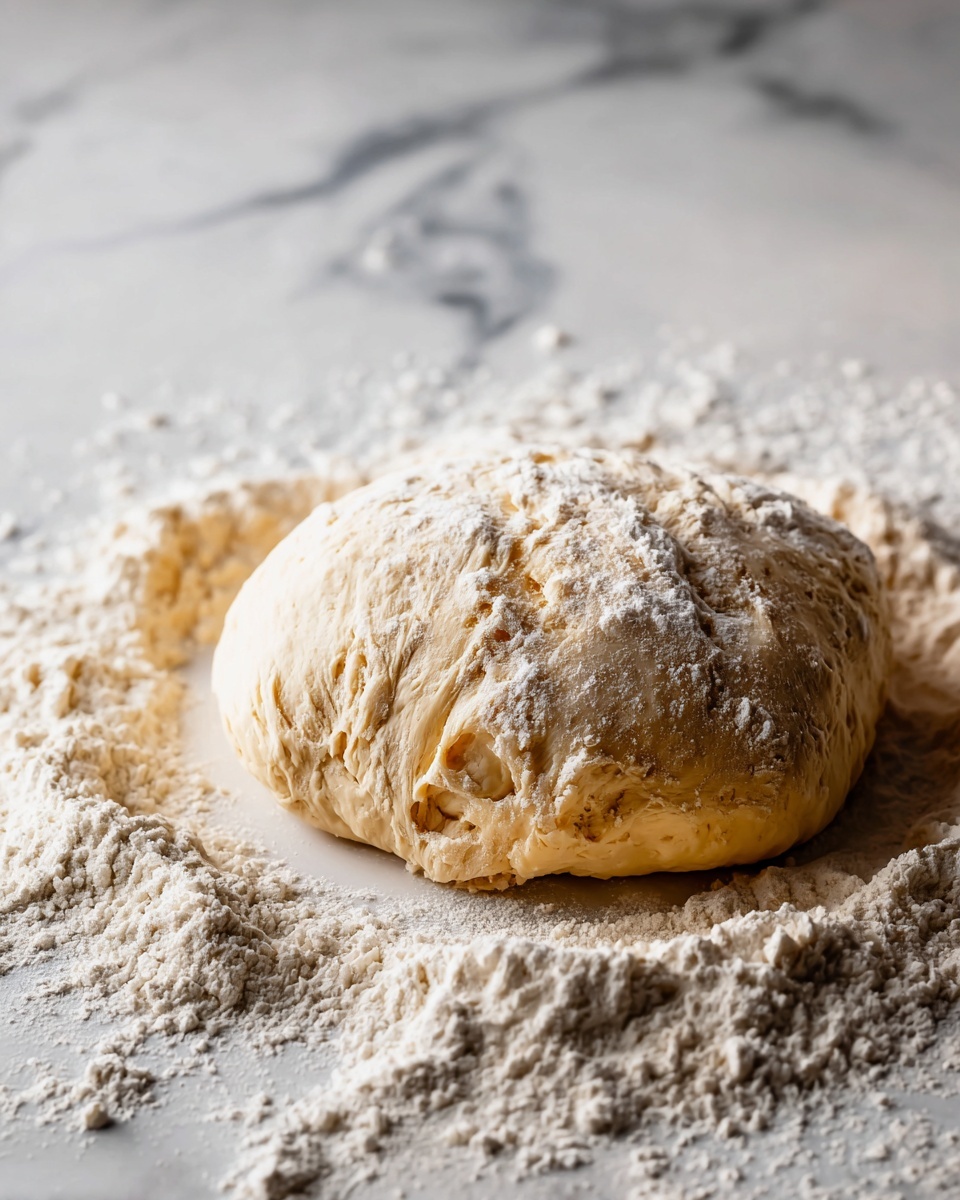
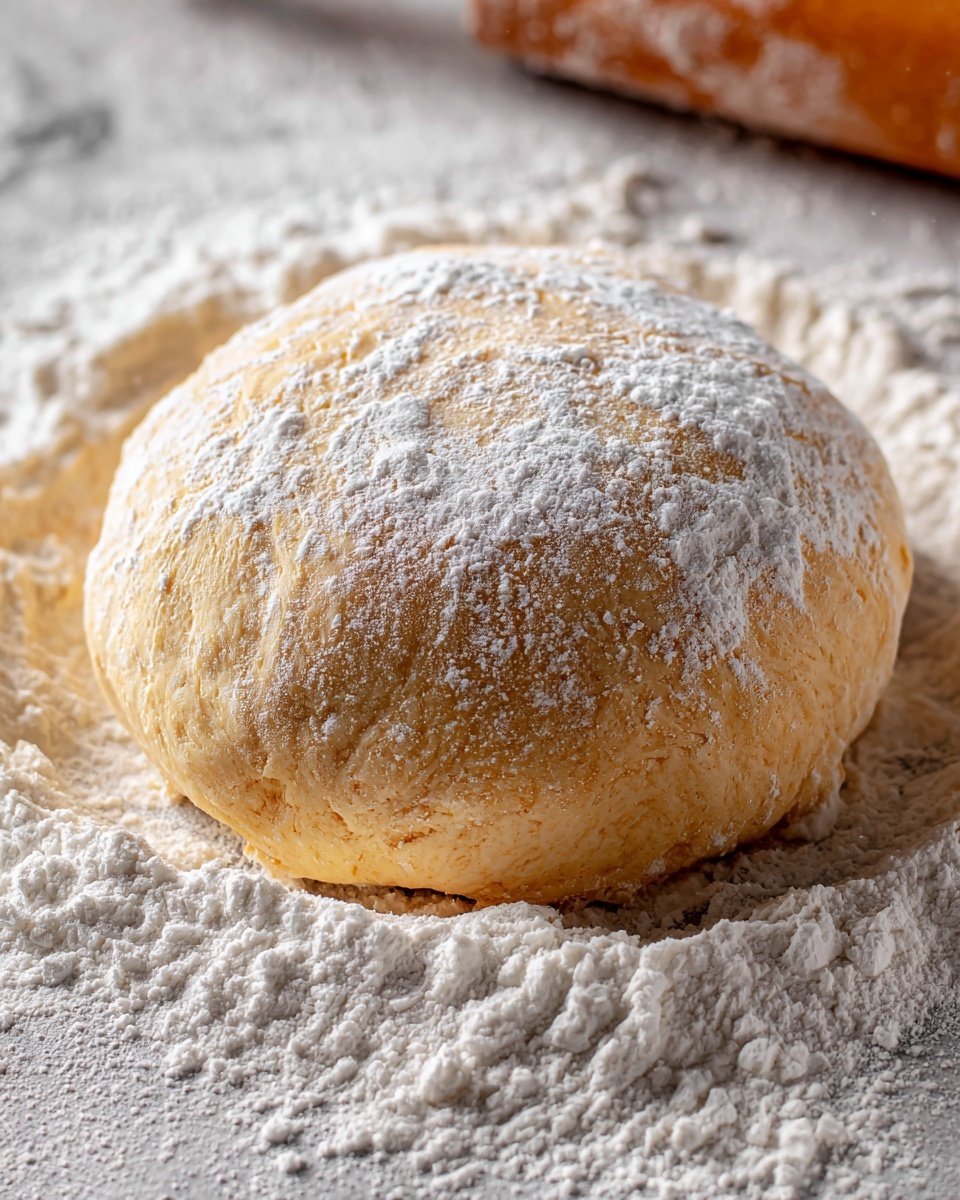
Transfer the rough dough onto a lightly floured surface. Knead it steadily for about 8 to 10 minutes, until it transforms into a smooth, elastic, and slightly tacky ball. This kneading process is essential as it develops the gluten that gives the crust its signature chew and structure.
Step 5: Let the Dough Rise
Place your dough in a lightly oiled bowl, turning it once so it’s coated with oil. Cover it with a clean kitchen towel or plastic wrap and leave it in a warm, draft-free spot to rise for 1 to 2 hours, or until it doubles in size. This resting stage allows the dough to develop those airy pockets and deep flavor notes.
Step 6: Prepare for Baking
Punch down the risen dough to release excess air, knead it briefly to redistribute the yeast and air bubbles, then divide it according to how many pizzas you want. Roll out each portion to your desired thickness, whether you love a thin crust or a thicker, chewier base.
How to Serve Classic Pizza Dough Recipe
Garnishes
The beauty of this Classic Pizza Dough Recipe lies in how well it pairs with any topping you can dream up. Traditional basil leaves with fresh mozzarella make a perfect margherita, while a drizzle of good olive oil and a sprinkle of flaky sea salt add a gourmet touch even before toppings hit the pie.
Side Dishes
Pizza nights get even better when you add complementary sides like a crisp Caesar salad or garlic-roasted veggies. For a heartier spread, consider serving with warm, cheesy garlic knots made from extra dough — a fantastic way to stretch your recipes and wow your guests.
Creative Ways to Present
Why stick to the classic round? Use this dough to craft mini calzones, pizza rolls bursting with fillings, or even a rustic flatbread topped with seasonal produce. The versatility of this Classic Pizza Dough Recipe invites endless creativity at your dinner table.
Make Ahead and Storage
Storing Leftovers
If you happen to have leftover dough, wrap it tightly in plastic wrap or place it in an airtight container and store it in the refrigerator for up to 3 days. Just bring it back to room temperature before rolling it out to ensure it relaxes and stretches easily.
Freezing
For longer storage, freeze your dough in a tightly sealed freezer bag after the first rise. It can last up to 3 months in the freezer — simply thaw overnight in your refrigerator and then allow it to come to room temperature before shaping.
Reheating
Once your pizza is baked, reheat leftovers in a hot oven or on a skillet for a few minutes to bring back that crispy crust and warm, melty toppings. Avoid microwaving to keep your crust from getting soggy.
FAQs
Can I use bread flour instead of all-purpose flour?
Yes! Bread flour has a higher protein content and will give your dough a chewier, more elastic texture, which many pizza lovers prefer. The Classic Pizza Dough Recipe works beautifully with both flour types.
What if my dough doesn’t rise?
If your dough isn’t rising, it could be due to inactive yeast or water that was too hot or cold. Always use fresh yeast and check the water temperature — around 105°F to 110°F is ideal to activate yeast without killing it.
Can I make this dough without olive oil?
Olive oil adds flavor and tenderness, but if you’re out, you can substitute with a neutral oil like vegetable or canola. The texture may vary slightly but it will still work for a reliable pizza base.
How thin should I roll out the dough?
That depends on your personal preference! For a traditional thin crust, roll the dough until it’s about 1/8 inch thick. For a thicker, chewier crust, keep it closer to 1/4 inch. Just remember that the dough will rise a bit more during baking.
Can I add herbs or garlic to the dough itself?
Absolutely! Incorporating finely chopped herbs or garlic into the dough can infuse it with extra flavor and make your homemade pizza even more special. Just mix them in with the flour before adding the wet ingredients.
Final Thoughts
There’s something truly magical about shaping your own pizza dough, knowing it’s the very start of a delicious moment shared with friends or family. This Classic Pizza Dough Recipe is so approachable yet yields stunning results that taste like a labor of love. Give it a try and watch your homemade pizzas become the highlight of your week—your oven and appetite will thank you!
Print
Classic Pizza Dough Recipe
- Prep Time: 15 minutes
- Cook Time: 0 minutes
- Total Time: 1 hour 30 minutes
- Yield: 2 medium pizza bases
- Category: Bread/Dough
- Method: Stovetop
- Cuisine: Italian
Description
This classic pizza dough recipe is perfect for creating a crispy, chewy homemade pizza base. Using simple pantry staples such as flour, yeast, olive oil, and a touch of sugar, the dough rises beautifully to provide a flavorful canvas for your favorite toppings. Suitable for beginners and seasoned bakers alike, the dough is easy to prepare with kneading and rising techniques that yield an authentic Italian-style crust.
Ingredients
Dry Ingredients
- 3 1/2 cups all-purpose flour
- 2 tsp active dry yeast
- 1 tsp granulated sugar
- 1 1/2 tsp salt
Wet Ingredients
- 1 1/4 cups warm water (about 110°F / 43°C)
- 2 tbsp olive oil
Instructions
- Activate Yeast: In a mixing bowl, combine the warm water, granulated sugar, and active dry yeast. Stir gently and let the mixture sit for 5 to 10 minutes until it becomes frothy, indicating the yeast is alive and active.
- Prepare Dry Ingredients: Sift the all-purpose flour and salt together in a separate large bowl to ensure an even distribution of the salt and to aerate the flour for a lighter dough.
- Combine Ingredients: Make a well in the center of the flour mixture, then add the frothy yeast mixture and olive oil into the well.
- Form Dough: Mix the ingredients together using a spoon or your hands until a rough, shaggy dough forms that begins to come together.
- Knead Dough: Transfer the dough onto a lightly floured surface and knead it vigorously for 8 to 10 minutes. The dough should become smooth, elastic, and slightly tacky but not sticky.
- First Rise: Lightly oil a large bowl and place the kneaded dough inside. Cover the bowl with a clean kitchen towel or plastic wrap. Let it rise in a warm, draft-free spot for 1 to 2 hours, or until doubled in size.
- Shape Dough: After rising, punch down the dough to release excess air. Knead briefly, then divide as desired. Roll out the dough to your preferred thickness for pizza bases, ready to top and bake.
Notes
- Use warm water at around 110°F (43°C) to activate the yeast properly without killing it.
- Ensure the flour is sifted to avoid lumps and achieve a light dough texture.
- Kneading develops gluten which is essential for the dough’s elasticity and chew.
- Allowing the dough to rise in a warm spot speeds up fermentation; avoid cold environments.
- For a thinner crust, roll dough thinner; for thicker crusts, keep more dough thickness.
- This dough can be refrigerated for up to 24 hours after the first rise for enhanced flavor.