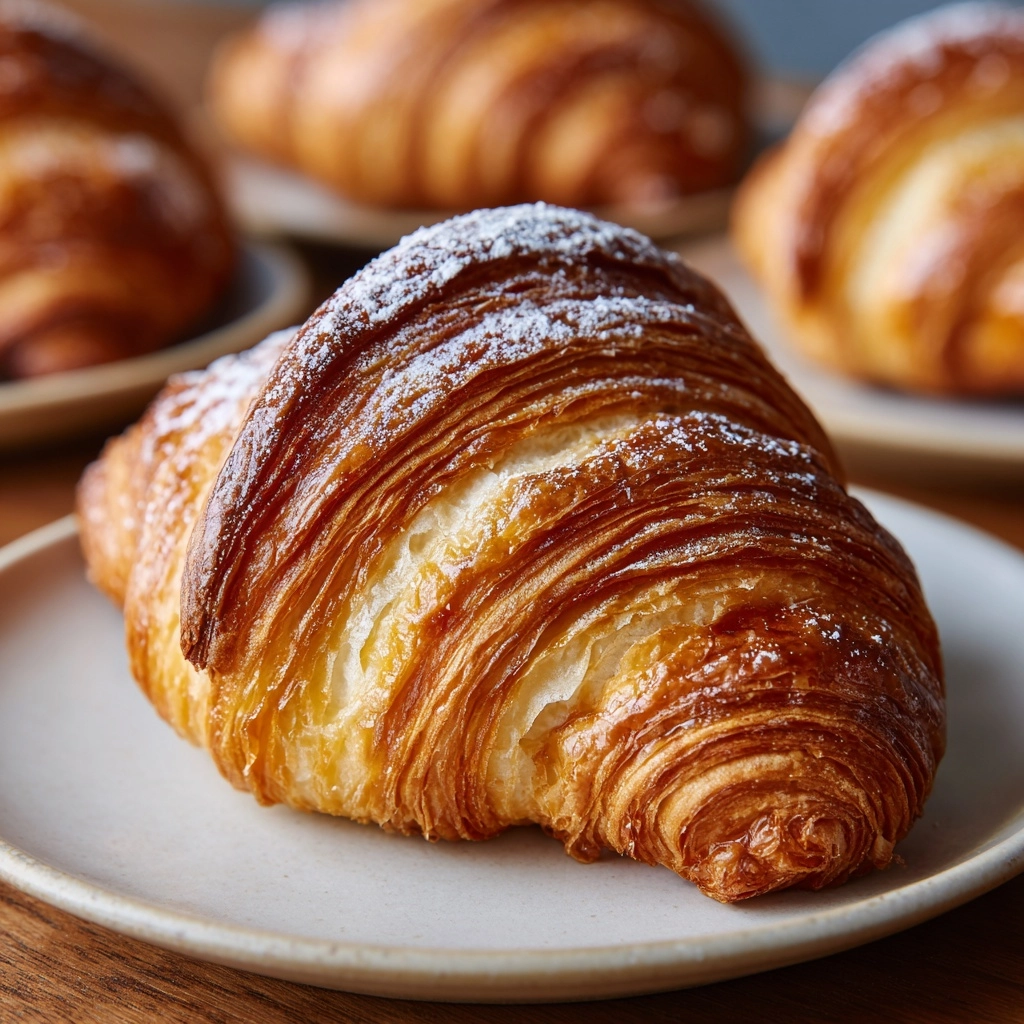
If you’ve ever dreamed of bringing the irresistible scent and flaky layers of a French bakery right into your own kitchen, this Classic Butter Croissants Recipe is exactly what you need. It blends simple but carefully chosen ingredients to create buttery, golden pastries that are crisp on the outside and tender on the inside. With just a bit of patience and love, you’ll be rewarded with croissants that rival any artisan shop and become a beloved part of your breakfast tradition.
Ingredients You’ll Need
These ingredients are uncomplicated yet crucial for the perfect balance of richness, texture, and flavor in your croissants. Each one plays a special role—from the yeast that gives the dough its airy lift to the cold butter that forms those signature flaky layers.
- 4 cups all-purpose flour: Provides the structure and chew that croissants are known for, opt for unbleached for best results.
- 1/2 cup granulated sugar: Adds just enough sweetness to balance the buttery richness.
- 1 tablespoon active dry yeast: The magical agent that makes your dough rise and gives those lovely air pockets.
- 1 1/2 teaspoons salt: Enhances flavor and controls yeast fermentation for perfect dough consistency.
- 1 cup whole milk (warm): Keeps the dough tender and adds richness.
- 1/4 cup water (warm): Helps activate the yeast and keeps the dough moist.
- 1 cup unsalted butter (cold): The star of flaky croissants, cold butter creates the delicate layers as it melts.
- 1 large egg (for egg wash): Gives the croissants their inviting golden brown sheen.
- Extra flour for dusting: Prevents sticking while rolling and shaping your dough.
How to Make Classic Butter Croissants Recipe
Step 1: Activate the Yeast
Begin by combining your warm milk, warm water, sugar, and yeast in a large mixing bowl. Let it sit quietly for about 5 to 10 minutes until it becomes foamy on the surface. This gives a clear sign that your yeast is alive and ready to work its magic in the dough.
Step 2: Form the Dough
Add the flour and salt to your foamy yeast mixture and stir until a rough, shaggy dough comes together. Don’t overwork it here; a brief knead until everything is just combined is perfect. Cover this dough and pop it into the refrigerator for a refreshing 30-minute chill — this slow rest helps develop flavors and keeps the dough easy to handle.
Step 3: Prepare the Butter Block
While the dough chills, dollop your cold butter between two sheets of parchment paper, then pound and roll it into a neat 7 by 7-inch square. This flat butter block is essential for creating those famous croissant layers, so keep it cold and firm by returning it to the fridge while you prepare the dough further.
Step 4: Enclose the Butter
Roll your dough out on a lightly floured surface into a 10 by 10-inch square. Place the chilled butter square right in the center but rotated like a diamond shape. Fold each corner of the dough over the butter so it’s fully enclosed like a little package — this sets the stage for layering.
Step 5: First Rolling and Folding
Roll the dough out into a long 20 by 10-inch rectangle, then fold it into thirds, similar to folding a letter. This process, called a turn, starts building the flaky structure by layering butter and dough together. Wrap the dough and let it chill for 30 minutes.
Step 6: Repeat Turns
Repeat this rolling, folding, and chilling cycle two more times, totaling three turns. Make sure to keep your dough chilly between turns to prevent butter melting. These multiple turns are what create the beautifully laminated, flaky texture that defines a Classic Butter Croissants Recipe.
Step 7: Shape the Croissants
After the last chill, roll your dough out into the 20 by 10-inch rectangle again. Cut it into long triangles and then roll each triangle from its wide base toward the tip, stretching slightly as you roll to create the classic crescent shape. Place them on parchment-lined baking sheets and let them rise at room temperature until puffed and cozy, about 1 to 2 hours.
Step 8: Bake to Golden Perfection
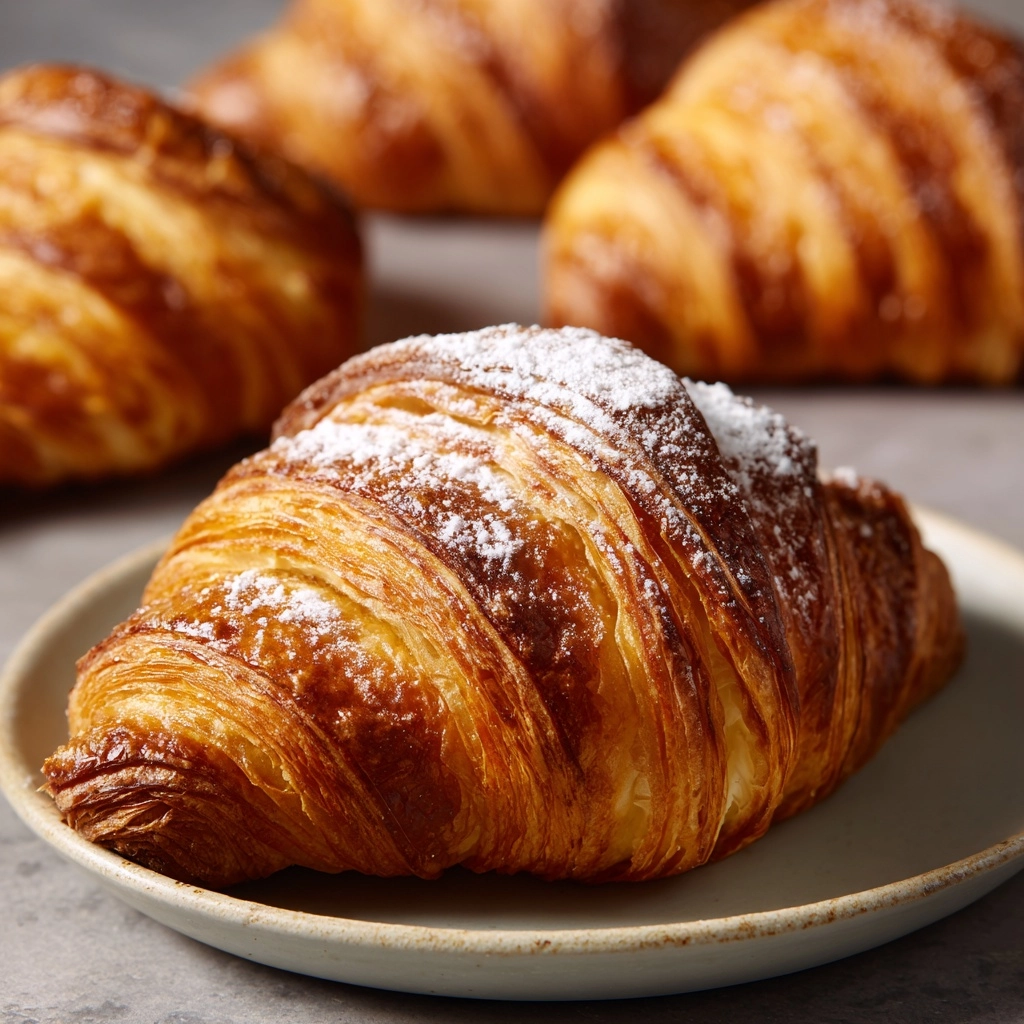
Preheat your oven to 400°F (200°C). Brush each croissant with beaten egg for that irresistible gloss and pop them in the oven. Bake for around 18 to 22 minutes until they’re beautifully golden brown and crisp. Let them cool for a few minutes before savoring their buttery, flaky goodness.
How to Serve Classic Butter Croissants Recipe
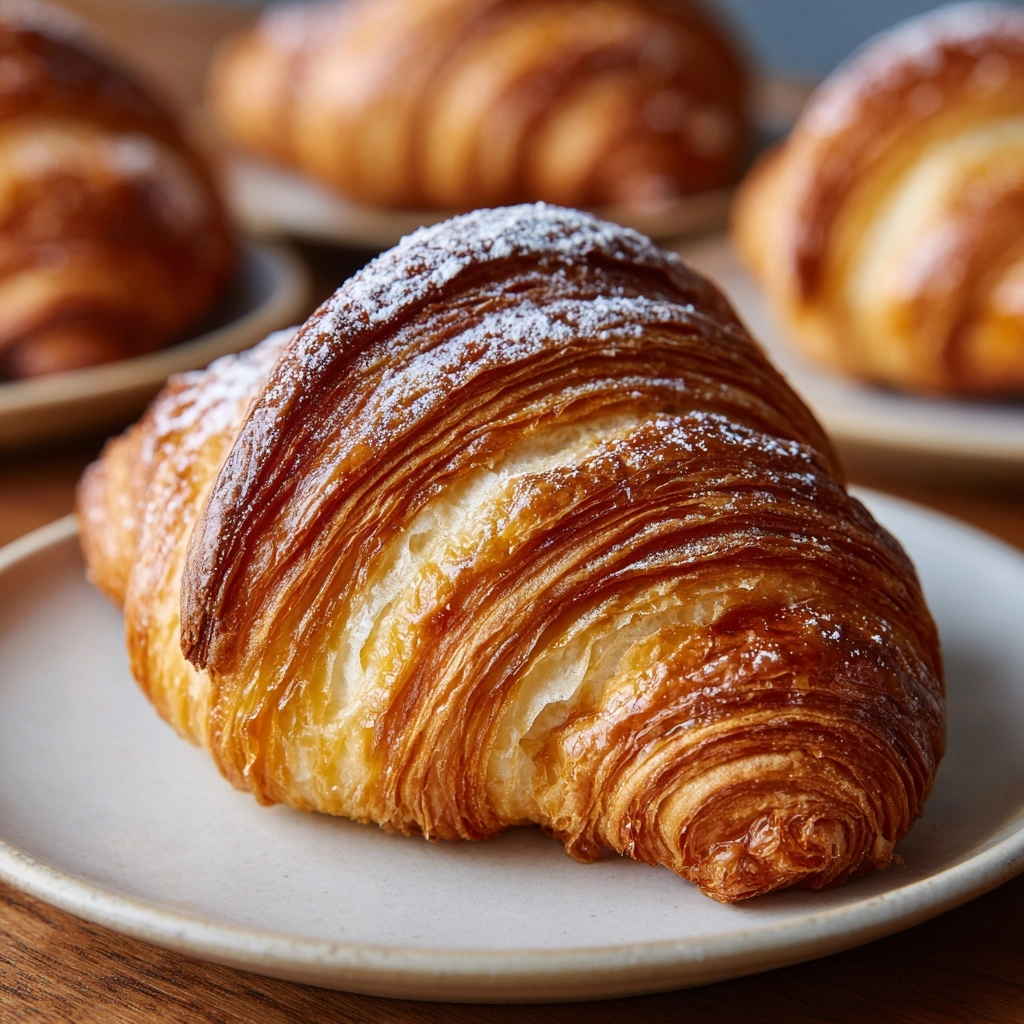
Garnishes
While these croissants are divine on their own, a light dusting of powdered sugar or a drizzle of honey can add a touch of sweetness and visual charm. Fresh herbs like rosemary can also give an elegant and unexpected twist if you’re feeling adventurous.
Side Dishes
Classic butter croissants pair wonderfully with fresh fruit preserves, creamy cheeses like brie or goat cheese, or a simple spread of high-quality butter. For a heartier meal, serve alongside scrambled eggs and smoked salmon for a luxe breakfast or brunch.
Creative Ways to Present
Consider splitting your croissants and filling them with ham and cheese before reheating slightly for a warm, melty treat. Or slice and toast croissants as a base for an open-faced sandwich topped with avocado, tomato, and arugula for a fresh, modern spin.
Make Ahead and Storage
Storing Leftovers
If you end up with leftovers from your Classic Butter Croissants Recipe, store them in an airtight container at room temperature for up to two days. This way, they’ll remain crisp on the outside while still soft inside.
Freezing
To keep croissants fresh for longer, freeze them individually wrapped in plastic wrap and placed in a freezer-safe bag or container. They’ll maintain their flaky texture and buttery flavor for up to a month.
Reheating
Reheat croissants in a 350°F (175°C) oven for about 5 to 7 minutes to restore their warm, flaky texture. Avoid microwaving as it may make them soggy.
FAQs
Can I use salted butter instead of unsalted?
It’s best to use unsalted butter for a Classic Butter Croissants Recipe to control the salt content precisely. Using salted butter may make the croissants too salty.
How long does the dough need to rise?
The shaped croissants should rise for 1 to 2 hours at room temperature until noticeably puffy. This proofing step is crucial for light, airy layers.
Can I make croissants ahead of time?
Absolutely! You can prepare the dough and shape the croissants the day before, then refrigerate overnight and bake fresh in the morning for ultimate convenience.
What is the key to flaky layers?
Keeping the butter cold throughout the lamination process and performing multiple folds and turns are essential for achieving the classic flaky layers in this recipe.
Can I substitute milk with any other liquid?
Whole milk adds richness, but you can substitute with half-and-half or a plant-based milk for dietary preferences, keeping in mind it may slightly alter texture and flavor.
Final Thoughts
There’s something truly special about mastering a Classic Butter Croissants Recipe at home. The process may take some time, but every flaky, golden bite is worth the effort. Invite a little French bakery magic into your kitchen and watch as these croissants become a delicious highlight of your mornings and moments shared with loved ones.
Print
Classic Butter Croissants Recipe
- Prep Time: 1 hour 30 minutes
- Cook Time: 20 minutes
- Total Time: 1 hour 50 minutes plus chilling and proofing time
- Yield: 12 croissants
- Category: Breakfast
- Method: Baking
- Cuisine: French
- Diet: Vegetarian
Description
Classic Butter Croissants are flaky, buttery, and golden pastries made using a traditional laminated dough technique. Perfect for breakfast or brunch, these croissants offer layers of tender, crisp dough with a rich buttery flavor, achieved through careful folding and chilling of the dough and butter.
Ingredients
Dough Ingredients
- 4 cups all-purpose flour
- 1/2 cup granulated sugar
- 1 tablespoon active dry yeast
- 1 1/2 teaspoons salt
- 1 cup whole milk (warm)
- 1/4 cup water (warm)
Butter Layer
- 1 cup unsalted butter (cold)
Finishing
- 1 large egg (for egg wash)
- Extra flour for dusting
Instructions
- Activate Yeast: In a large mixing bowl, combine warm milk, warm water, granulated sugar, and active dry yeast. Let the mixture sit for 5 to 10 minutes until it becomes foamy, indicating that the yeast is active.
- Make Dough: Add all-purpose flour and salt to the yeast mixture. Mix until a shaggy dough forms. Knead briefly just until combined. Cover the dough and refrigerate for 30 minutes to relax gluten and allow for easier rolling.
- Prepare Butter Block: Place cold unsalted butter between two sheets of parchment paper. Using a rolling pin, pound and roll the butter into a thin 7×7-inch square. Refrigerate the butter until firm but pliable, keeping it cold for lamination.
- Enclose Butter: Roll out the chilled dough on a floured surface into a 10×10-inch square. Place the cold butter square in the center, rotated into a diamond shape. Fold the four corners of the dough over the butter so it is completely enclosed.
- First Turn: Roll the dough with butter into a 20×10-inch rectangle. Fold the dough into thirds, like folding a letter. This completes the first turn. Wrap the dough and chill in the refrigerator for 30 minutes.
- Second and Third Turns: Repeat the rolling, folding, and chilling process two more times for a total of three turns. Each turn creates the laminated layers needed for flakiness. Always keep dough cold between turns.
- Shape Croissants: After the final chilling, roll out the dough into a 20×10-inch rectangle. Cut the dough into long triangles. Starting from the wide base, roll each triangle tightly into a crescent shape.
- Proofing: Place shaped croissants on a parchment-lined baking sheet. Let them rise at room temperature for 1 to 2 hours, until the croissants are puffy and have almost doubled in size.
- Preheat Oven: Preheat your oven to 400°F (200°C) to ensure it is fully heated before baking.
- Egg Wash: Beat the large egg and brush it gently over the surface of each croissant. This gives them a nice golden brown color and shine after baking.
- Bake: Bake the croissants for 18 to 22 minutes until golden brown, crisp, and cooked through. The layers should separate and puff up beautifully.
- Cool and Serve: Remove croissants from the oven and let them cool slightly on a wire rack before serving warm.
Notes
- Keep both the butter and dough cold throughout the lamination process for the best flaky layers.
- You can prepare the dough a day ahead and refrigerate it, then shape and bake the croissants fresh on the day of serving.
- For a shinier crust, you can apply a second egg wash about 10 minutes before the end of baking.
- Use a sharp knife or pizza cutter when cutting triangles to maintain clean edges.